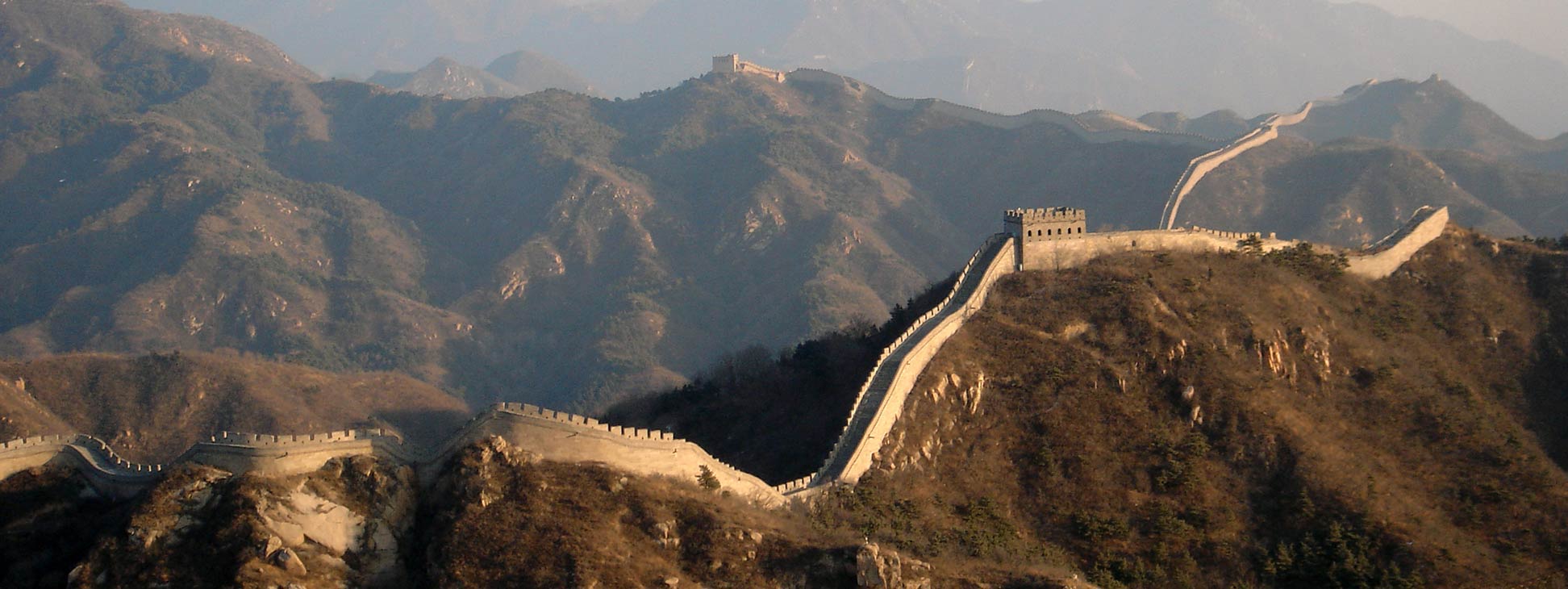
This week, I thought that the most interesting concept we discussed was the meaning of the word “modern,” and the potential problems that can arise when applying it as a descriptor for nations past and present. The largest issue is that the word “modern” is defined in a Western context, and so while it can be used to describe the development of Western nations, it is far less neat when it comes to describing East Asian nations like China.
Many of the characteristics that western philosophers said made a nation “modern” were part of China for centuries, in some cases a thousand years before present day. Aspects such as a bureaucratic examination and commercial farming made China seem like a modern nation in a period long before what is considered the modern era. Also, is it fair to define a nation under the terms created by another, which has an entirely different tradition of philosophy, culture, and values?
The idea of modernity is also rooted in the narrative of progress, that history is a linear story of continuous, gradual movement in a positive direction, and that the future will bring further advancement and solutions to the problems of the present. It is itself based in a teleological understanding of history, that is, the cause and effect chain of events can be traced all the way back to the beginning of recorded history, everything being influenced by what came before.
The idea of modern is also inherently relativistic: for peasants in the 1500s, technology of the 1800s would seem modern, but to us in the 21st century, our era is “modern,” and the technology and ideas of two hundred years ago seem (in many cases) antiquated and outdated. Although historians have defined a “modern” and “pre-modern” era largely independent of how we imagine these terms, relativism still creeps into the definitions. It also raises interesting questions about the idea of “post-modern.” Mitter offers one understanding of “modern” as “recent,” which makes the idea of “post-modern” strange and in some ways impossible.
As we progress in the course, I am interested to see how we answer (and do not answer) these questions about the definition of modern and how they affect our study of China. In general, we will also be hampered linguistically and culturally, as we are studying the history of a country that is profoundly different from our own Western nations.
Works consulted:
Mitter, Rana. Modern China: A Very Short Introduction. Very Short Introductions. Oxford: Oxford University Press, 2008. (ebook Trexler)
Spence, Jonathan D. The Search for Modern China. First ed. New York: W.W. Norton & Company, 1999.