Exploration Pack 1
I was fascinated by the piece this week on the psychological torture and manipulation that US POWs faced at the hands of the Chinese, which I knew next to nothing about. I know very little about the Korean war in general, including the fact that it will have been going officially for 70 years this July. The fact that the Chinese also never officially committed their army, but instead sent “volunteers” to fight is another aspect that I did not know, and just makes the conflict all the more complicated and interesting to read about.
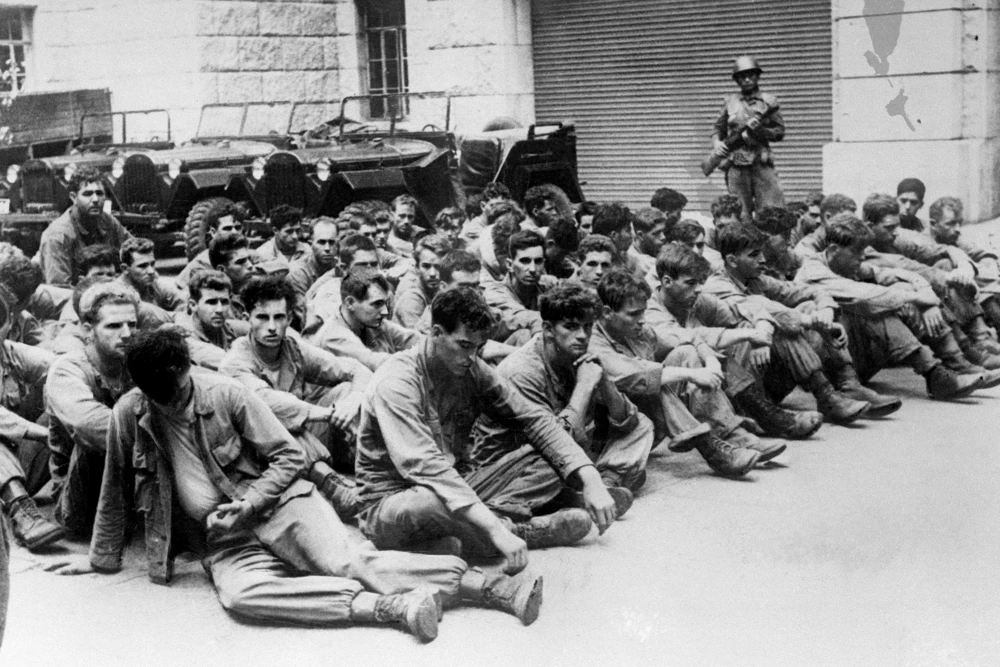
The thing that was most interesting to me about the Chinese prison camps was that by and large they were not focused on extreme physical violence and torture. While the threat of violence was certainly there, as can be seen from the beatings that some of the more problematic prisoners endured, or the man that was hung by his thumbs for two days, for the most part, the Chinese looked at the POWs as potential converts to the Communist ideology. Prisoners were made to attend lectures where they were bombarded with Communist propaganda. They were also given a look at America that challenged their worldview and made them question their reason for fighting in the war. Soldiers who were already unsure about the war, or who had experienced economic uncertainty were prime targets for conversion, and many began to subscribe to Communist ideas and spread them throughout the camps.
This movement did not meet without resistance, however, and reactionary groups formed among the soldiers, with the conflicts often turning violent and brutal. Anti-communist groups, specifically the Ku Klux Klan, gained popularity among the reactionaries. Units were in come cases ripped apart by their own ideological battles.
Paranoia and division were the best weapons the Chinese had, greater than any torture. Soldiers resisting the Communist indoctrination lived in fear that those that had become Communists would inform on them, and soldiers that had become Communists often sold out their comrades for favor among their captors.
Back home on American soil, this indoctrination tore apart families, with one soldier writing home expressing his pro-Communist sentiments and being subsequently disowned by his step-mother. Equally shocking to the United States was the fact that after the American POWs were released, many refused repatriation, which shook a country that believed so strongly in its capitalist and individualist principles to its core.
Works Consulted
Inspect citation for missing data, indentation or formatting when copying and pasting.
McKnight, Brian Dallas. We Fight for Peace : Twenty-Three American Soldiers, Prisoners of War, and “Turncoats” in the Korean War. Kent, Ohio: Kent State University Press, 2014.
